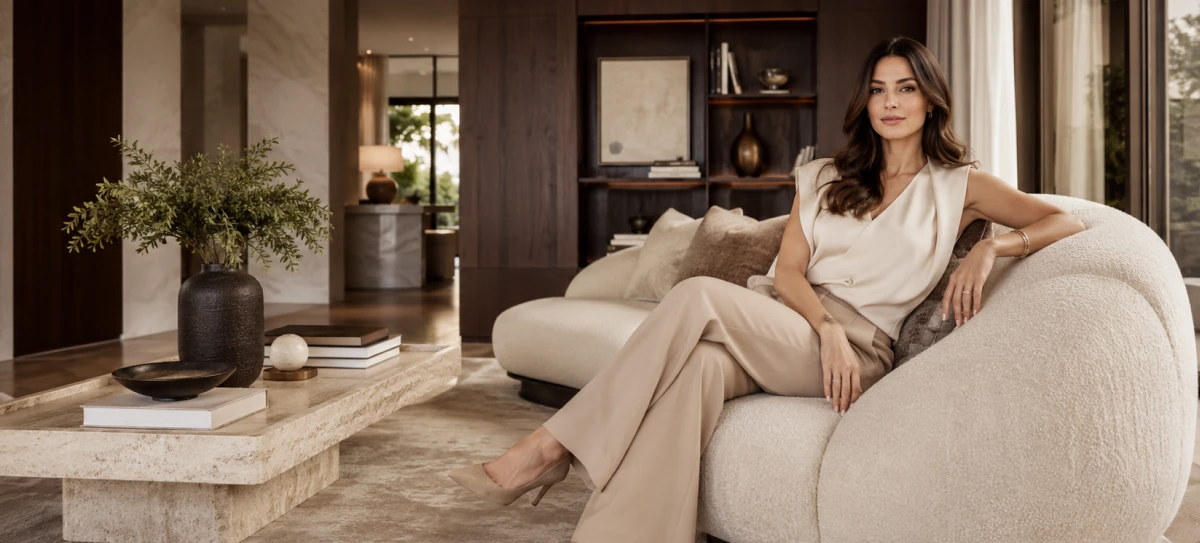
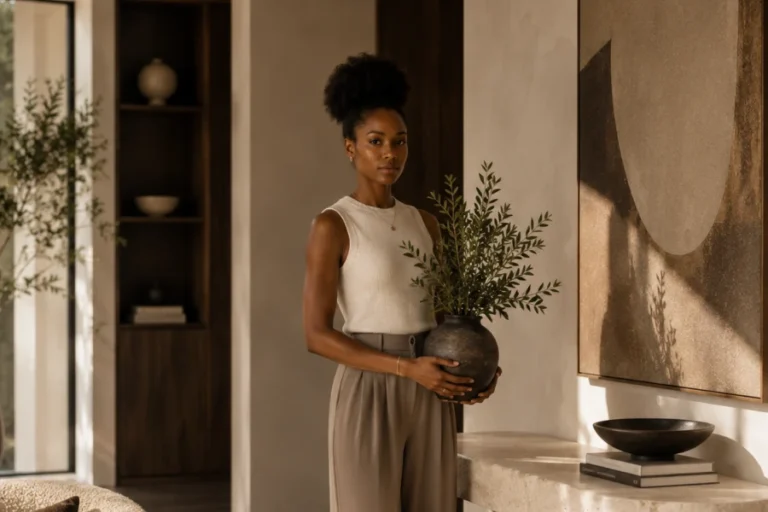
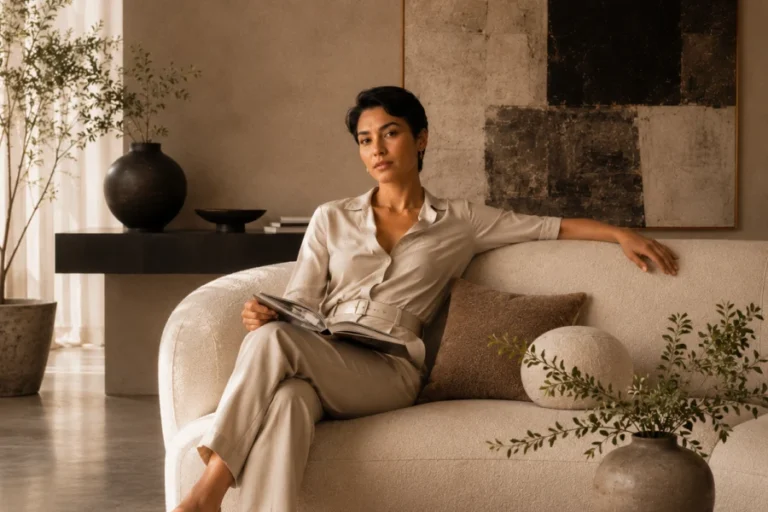
Timeless home styling does not depend on copying a certain era or collecting expensive objects. It begins with a room that feels personal, balanced, and useful in everyday life. Trend-driven pieces can still have a place, but they should not define the entire interior. The strongest spaces are built around lasting proportions, materials, and comfort. They create interest slowly through texture, art, light, and meaningful objects. A Curated Home Styling for Timeless Elegance approach helps you see what deserves to remain. It also makes it easier to stop buying decor merely because a room feels unfinished. Good editing leaves enough room for personality to be noticed. The result is calm, collected, and capable of evolving with you. It looks cared for rather than styled for a single photograph.
Why Timeless Home Styling Begins with a Room Story
Every successful room has a point of view. That does not mean choosing a strict design label and following it perfectly. It means knowing how you want the room to feel when you enter it. Perhaps you want it to feel warm, quiet, tailored, sunlit, creative, or gently formal. Those words become filters for future decisions. A sculptural lamp may fit a tailored room but feel out of place in a relaxed cottage setting. A bright rug might energize a creative studio but overwhelm a calm bedroom. Write down three words before you start shopping or rearranging. Then use them whenever a decision feels uncertain. A room story prevents attractive but unrelated pieces from taking over the space. It is the beginning of a home that feels coherent rather than constantly unfinished.
Choose Materials That Improve with Time
Materials often determine whether an interior feels enduring. Natural wood, stone, linen, wool, cotton, leather, ceramic, and aged metals tend to develop character through use. They do not need to be perfect to feel beautiful. A scratched wooden table can look more inviting than a flawless surface chosen only for appearance. Textiles with visible weave make rooms feel softer and more layered. Stone and ceramic bring weight without demanding elaborate decoration. Choose finishes that suit how you live, not just how they photograph. Then repeat a small number of materials across the home. This creates quiet connection between rooms. A collected-interior method can help you balance those finishes without making them look overly matched.
Timeless Home Styling Leaves Space for Change
A home should not feel frozen after one major decorating effort. Leave room for art, travel finds, family photographs, books, and changing preferences to shape the interior gradually. Start with furniture that solves the room’s main practical needs. Then layer personality through pieces that can move, evolve, or be replaced. This strategy keeps the space flexible without making it feel temporary. A neutral upholstered sofa can support many different color stories over time. A classic dining table can look new again with different chairs or lighting. Let larger purchases provide structure rather than complete the entire room. The most lived-in homes often feel rich because they have developed slowly. That patience creates depth that cannot be ordered all at once.
Use Timeless Home Styling to Edit Visual Noise
Editing is not about making every room minimal. It is about letting the best elements receive enough attention. Remove decorative items that repeat the same message without adding function or beauty. Group smaller objects so they read as one intentional moment. Give surfaces a place to rest instead of filling every available inch. Consider whether a piece supports the room’s color, material, or emotional direction. If it does not, try moving it elsewhere before buying anything new. This process can reveal that the room needs less, not more. A quiet-luxury editing process helps create polish without removing warmth. Simplicity becomes interesting when the remaining objects have real presence.
Let Light and Texture Do More Work
Rooms often feel unfinished because they lack atmosphere, not decoration. Lighting and texture can solve that problem with much less visual clutter. Use a mix of ambient, task, and accent lighting instead of relying on a single overhead fixture. Add texture through woven shades, curtains, throws, wood grain, ceramics, and natural fibers. These layers change the room throughout the day without demanding constant attention. A textured pillow can soften a clean-lined sofa. A low lamp can make an ordinary corner feel more intentional at night. Keep the palette controlled so the textures can be noticed. When light and materials work together, the room gains depth without becoming busy. That is a quieter and more lasting form of visual interest.
Timeless Home Styling Feels Personal Before It Feels Perfect
Perfection is rarely what makes a home memorable. The rooms people respond to most often reveal something about the people who live there. That may be an inherited chair, a shelf of well-used books, or artwork with a personal connection. Let those pieces guide the room rather than hiding them behind a generic aesthetic. Balance them with practical furniture and a calm backdrop. Use repetition to create order around more expressive elements. Then allow a little irregularity to keep the home from feeling staged. A timeless interior should feel capable of change, not afraid of it. When a room reflects your life while remaining easy to use, it has achieved something much more valuable than a passing trend.